

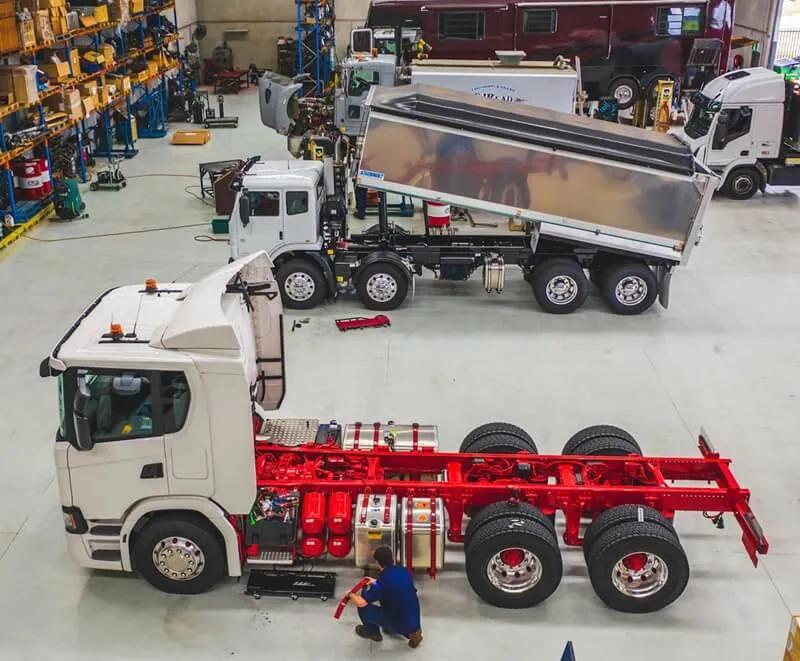
Modern transport operations require more than powerful engines and reliable vehicles. Many commercial trucks depend on specialised hydraulic systems to perform essential tasks such as lifting heavy loads, operating cranes, tipping trailers, and managing waste collection equipment. Understanding truck hydraulics is important for fleet operators who want to improve vehicle performance, reduce maintenance expenses, and prevent unexpected breakdowns.
A properly designed hydraulic system converts mechanical power into controlled movement, allowing trucks to handle demanding applications efficiently. From selecting suitable components to following regular maintenance practices, every aspect contributes to the reliability and productivity of heavy vehicles.
What Are Truck Hydraulics and How Do They Work?
Truck hydraulic systems use pressurised fluid to transfer power from one component to another. This process allows heavy vehicles to operate equipment that would otherwise require considerable mechanical effort.
Most systems begin with a power take off (PTO), which transfers mechanical power from the vehicle's transmission to a hydraulic pump. The pump draws hydraulic oil from a reservoir and delivers it under pressure through hoses and control valves.
The pressurised fluid then reaches hydraulic cylinders or motors, creating the movement required for specific operations. For example, cylinders raise a tipper body, while hydraulic motors can power certain specialised attachments.
After completing its function, the fluid returns to the hydraulic tank, where it is stored and prepared for another operating cycle.
Every component must work together correctly. Incorrect specifications, damaged connections, or poor maintenance can affect the entire system and reduce operational efficiency.
Different Applications of Truck Hydraulic Systems
Not every commercial vehicle requires the same hydraulic configuration. The equipment installed depends on the vehicle's purpose, load capacity, and operational requirements.
Some common applications include:
Tipper trucks: Hydraulic cylinders raise and lower truck bodies to unload construction materials, soil, gravel, and other bulk products.
Crane trucks: Hydraulic systems provide controlled lifting, extending, and rotating movements for handling heavy materials.
Waste collection vehicles: Hydraulic equipment operates compactors, lifting mechanisms, and other waste management components.
Walking floor trailers: Specialised hydraulic systems operate moving floor mechanisms that assist with unloading bulk materials.
Recovery vehicles: Hydraulic components support lifting platforms, winches, and other vehicle recovery equipment.
Selecting the correct hydraulic configuration ensures that each vehicle can perform its intended tasks safely and efficiently.
Essential Components of Truck Hydraulics
A reliable hydraulic system depends on several interconnected components. Understanding their individual functions makes it easier to identify maintenance requirements and select suitable replacement products.
1. Power Take Off
A power take off transfers mechanical power from the truck's transmission to the hydraulic pump. The correct PTO must match the transmission configuration and the power requirements of the application.
2. Hydraulic Pumps
Hydraulic pumps generate fluid flow and help establish the pressure required to operate connected equipment. Different pump designs are available depending on the required flow rate, pressure, and application.
3. Hydraulic Valves
Control valves regulate the direction and flow of hydraulic fluid. They allow operators to control lifting, lowering, extension, and other hydraulic movements.
4. Hydraulic Tanks
Hydraulic tanks store the fluid required by the system. They also help dissipate heat, allow air separation, and provide space for contaminants to settle before the fluid circulates again.
5. Hoses and Fittings
Hydraulic hoses and fittings transport pressurised fluid between system components. They must be correctly rated for the operating pressure, temperature, and installation requirements.
Choosing compatible components is essential for achieving dependable hydraulic performance.
Common Hydraulic Problems and Their Warning Signs
Hydraulic faults can develop gradually or occur unexpectedly. Identifying early warning signs helps prevent minor issues from becoming expensive repairs.
Some common problems include:
Hydraulic fluid leaks: Damaged seals, loose fittings, and worn hoses can cause fluid loss and reduce system efficiency.
Unusual operating noises: Grinding, whining, or rattling sounds may indicate air contamination, pump wear, or restricted fluid flow.
Slow equipment movement: Reduced hydraulic performance can result from worn pumps, incorrect fluid levels, blocked filters, or internal leakage.
Overheating: Excessive operating temperatures may indicate restricted circulation, unsuitable fluid, or continuous operation beyond system capacity.
Inconsistent pressure: Damaged valves, worn components, and pump problems can cause irregular hydraulic performance.
Ignoring these warning signs can increase repair expenses and create unnecessary vehicle downtime. Professional inspection is recommended whenever abnormal system behaviour occurs.
How to Maintain Truck Hydraulic Systems
Preventative maintenance is one of the most effective ways to extend the service life of hydraulic equipment. A consistent inspection routine helps identify developing problems and maintain reliable performance.
Consider following these maintenance practices:
Check hydraulic fluid levels before operating the vehicle.
Inspect hoses, fittings, and connections for visible damage or leakage.
Replace hydraulic filters according to manufacturer recommendations.
Monitor operating temperatures and investigate excessive heat.
Examine the hydraulic tank for contamination and accumulated deposits.
Listen for unusual noises during equipment operation.
Arrange professional servicing at recommended maintenance intervals.
Hydraulic fluid should also be replaced according to the equipment manufacturer's specifications. Using unsuitable or contaminated fluid can accelerate component wear and affect overall system performance.
Why Correct Component Selection Matters
Choosing hydraulic components based only on price can create long term problems. Every component must match the system's pressure, flow rate, operating temperature, and intended application.
For example, an incorrectly specified hydraulic pump may produce insufficient flow or generate excessive heat. Similarly, unsuitable control valves can affect equipment movement and operating efficiency.
Heavy Hydraulics supports transport and industrial businesses by supplying hydraulic products, including pumps, power take offs, valves, tanks, and accessories. Its product range and technical expertise help customers identify suitable components for different hydraulic applications.
Working with an experienced supplier can simplify equipment selection, improve compatibility, and reduce the risk of installation issues.
Safety Practices for Hydraulic Equipment
Hydraulic systems operate under significant pressure, making proper safety procedures essential for operators and maintenance personnel.
Never use your hands to locate a hydraulic fluid leak. Pressurised oil can penetrate the skin and cause serious injuries. Always release system pressure before disconnecting hydraulic lines or performing maintenance.
Additional safety measures include:
Using hoses and fittings rated for the required operating pressure.
Wearing suitable protective equipment during inspections.
Keeping hydraulic components clean during servicing.
Following manufacturer maintenance and operating instructions.
Ensuring operators understand the correct equipment procedures.
Regular safety inspections help protect workers, vehicles, and surrounding equipment.
Choosing the Right Hydraulic Supplier
Selecting a reliable hydraulic supplier is an important part of maintaining commercial vehicle performance. An experienced provider understands the relationship between pumps, PTO units, control valves, tanks, and other hydraulic components.
Before purchasing equipment, consider whether the supplier can provide accurate product specifications, technical guidance, suitable replacement components, and ongoing support.
Heavy Hydraulics provides hydraulic products and solutions for transport and industrial applications across Australia. With locations supporting major Australian markets, including Sydney, Melbourne, Brisbane, Adelaide, and Perth, the company helps customers access hydraulic components and professional assistance for their equipment requirements.
Choosing quality products and knowledgeable support can make a significant difference to long term equipment reliability.
Final Thoughts
Reliable truck hydraulics are essential for maintaining productivity, operational safety, and efficient vehicle performance. Understanding how hydraulic systems work, selecting compatible components, and following preventative maintenance practices can significantly reduce unexpected breakdowns.
Fleet operators should pay attention to early warning signs, arrange regular inspections, and invest in quality hydraulic equipment suited to their applications. Professional technical support also helps ensure that every component works together effectively.
Heavy Hydraulics supports businesses with dependable hydraulic products, technical expertise, and solutions for demanding transport and industrial applications. By prioritising equipment quality and regular maintenance, operators can extend component lifespan, minimise downtime, and keep their vehicles ready for everyday operational challenges.